When designing an industrial component or structure, the main priorities usually focus on aspects such as strength, functionality or the manufacturing process. However, there is one factor that is often considered too late: how the component will be coated.
Good design not only makes manufacturing and assembly easier, but also simplifies the coating application process. Taking painting requirements into account from the early stages of a project can help prevent issues, reduce production times and minimise long-term maintenance costs.
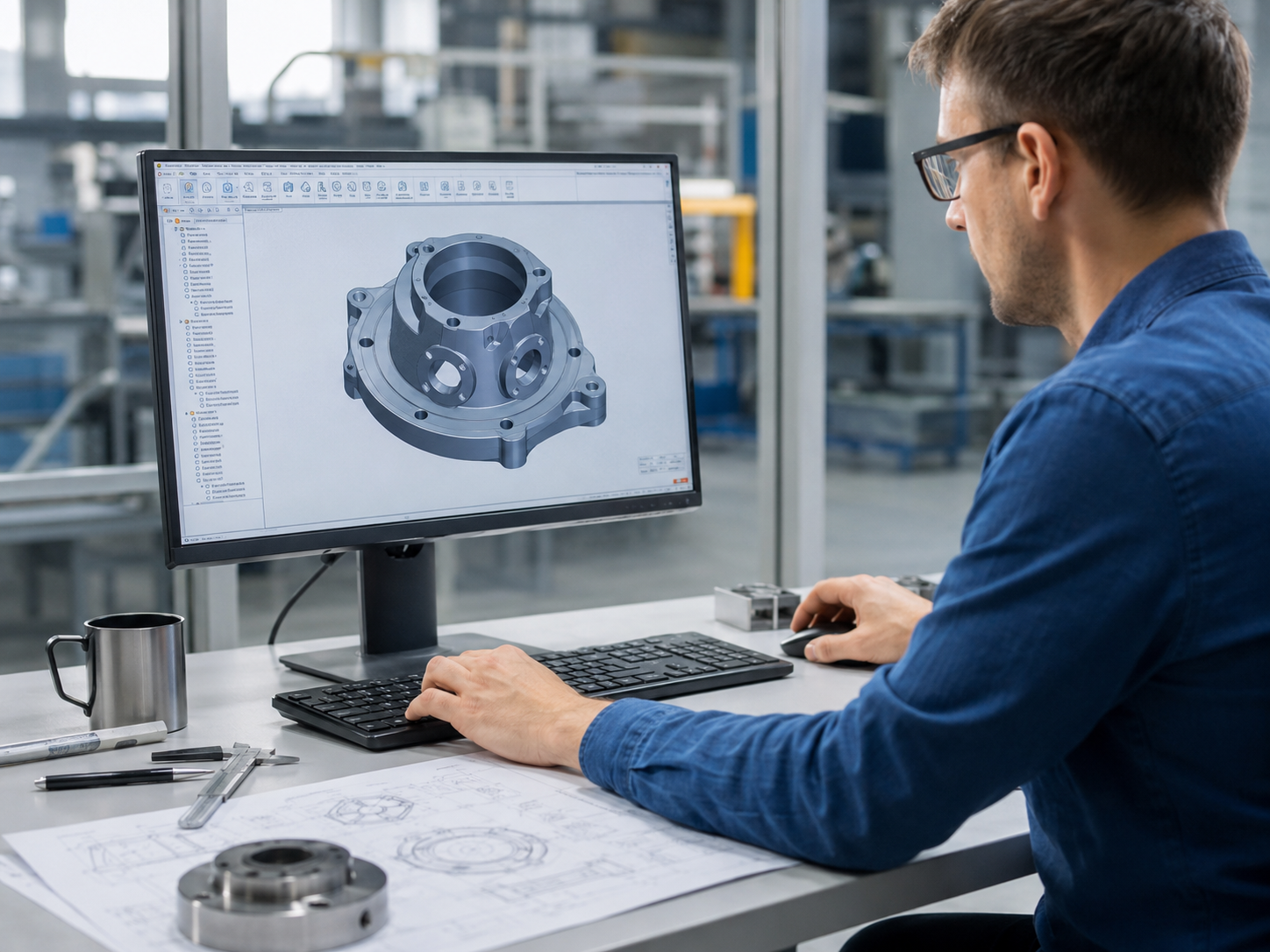
Design directly influences the final result
Not all components are equally easy to paint. Their shape, dimensions or specific construction details can make coating application straightforward… or considerably more complex.
For example, sharp edges tend to receive less paint, making them more vulnerable to corrosion. Similarly, deep cavities, hard-to-reach areas or certain geometries can make it difficult to achieve a uniform coating across the entire surface.
Although these aspects may seem like minor details during the design stage, they have a direct impact on the quality and durability of the final finish.
Designing with the painting process in mind helps prevent problems
Industrial painting is not simply a matter of applying a product to a component. Before reaching this stage, many parts go through cleaning or surface preparation processes that should also be considered during the design phase.
For example, incorporating suitable drainage holes allows liquids used during pretreatment to drain correctly, preventing build-up that could affect the final finish.
It is also important for the component to provide good accessibility during application. If certain areas are difficult to reach, achieving a uniform coating thickness and ensuring full surface protection becomes more challenging.
Small decisions made during the design stage can significantly simplify the subsequent work and improve the final result.
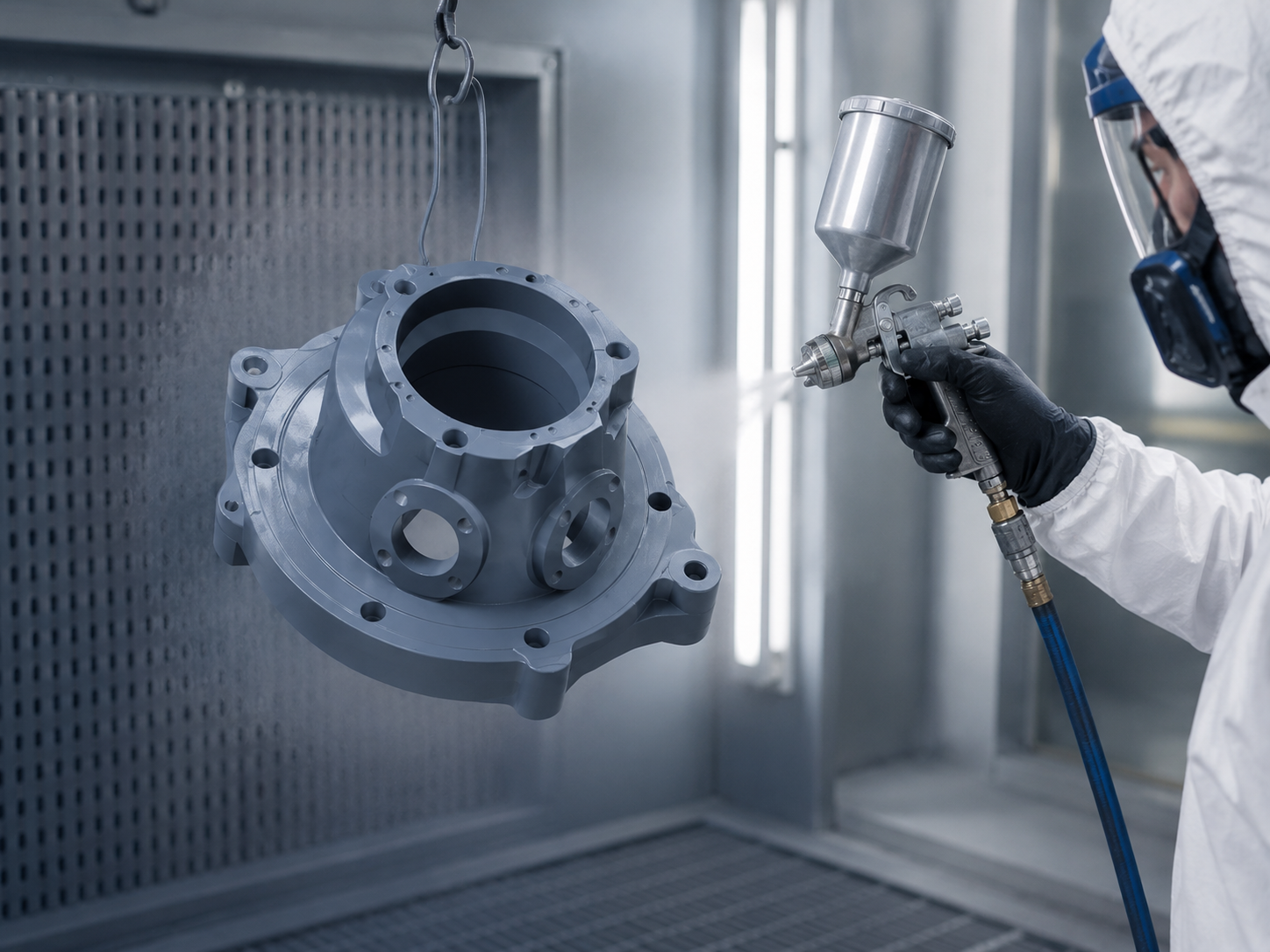
Less repainting, lower costs
When a component contains areas that are difficult to paint or defects appear during the process, the consequences are usually the same: repainting, rework and longer production times.
In addition to the extra paint consumption, these issues involve more working hours, higher energy consumption and potential delays in project delivery.
By contrast, designing a component with the coating process in mind makes it possible to optimise production from the outset, reduce errors and achieve more uniform and durable finishes.
Collaboration between design and coating makes the difference
More and more companies are involving industrial painting specialists from the early stages of a project. This collaboration makes it possible to identify potential critical points before the component is manufactured and propose simple solutions that improve both the process and the final result.
In many cases, small changes to the geometry or specific construction details are enough to make coating application easier and significantly extend the service life of the component.
Considering industrial painting from the beginning is an investment
Designing with the coating process in mind does not make project development more complicated. Quite the opposite: it helps prevent issues, optimise resources and reduce the total cost throughout the service life of the component or structure.
At Mestres Pintura Industrial, we work closely with our clients to analyse each project from a comprehensive perspective, providing solutions that simplify the coating process and ensure maximum protection from day one.